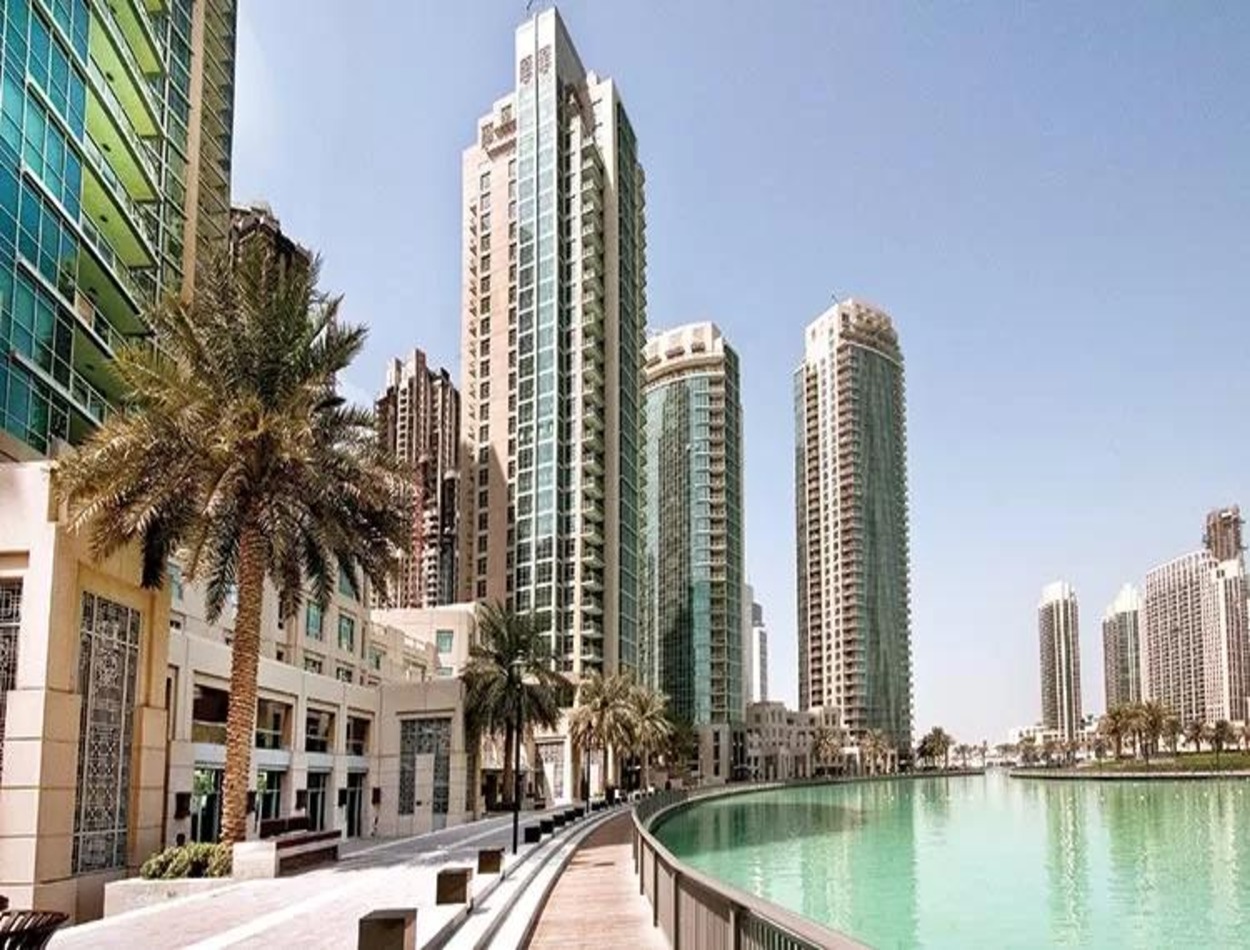
Dubai’s real estate market has been one of the most talked-about global investment destinations over the past decade. Waves of foreign capital, record price growth, and surging rental demand turned headlines into investor dollars. But now that we are in 2026, many buyers are asking one very practical question: is buying property in Dubai still profitable?
The short answer is yes, but the reasons are more nuanced than they were in past boom years. Profitability is no longer about hype or quick flips. Instead, it’s driven by fundamental demand, rental income potential, and long-term strategic planning. In this article, we’ll explore the real drivers that determine profitability in Dubai’s 2026 market which include rental yields, price trends, population growth, supply dynamics, and investment strategy so that you can make a truly informed decision.
Understanding Profitability: Yield Versus Appreciation
To assess profitability in 2026, it’s important to understand the two main ways property delivers returns:
1. Rental income: The cash flow generated from tenants on a monthly or annual basis.
2. Price appreciation: The increase in property value over time.
In Dubai’s evolving market, rental income has taken center stage. While capital growth remains a factor, especially in select communities, most smart investors now prioritise yield and cash flow as the foundation of profitability.
This shift is partly because price appreciation has become more moderated in 2026 versus the double-digit spikes of earlier years, with analysts expecting healthy but controlled growth rather than rapid jumps.
Rental Yields: One of the Strongest Driving Forces In Buying Property In Dubai
One of the most reliable indicators of rental profitability is yield, essentially, how much rent you can collect relative to the property price.
Data from industry sources shows that Dubai continues to offer some of the best rental yields globally. In many communities, gross rental yields in 2026 are averaging between 6% to 9%, significantly higher than many major cities worldwide.
This compares very favourably with yields in markets such as London (around 2–3%) and New York (around 3.5–4%), where returns have traditionally been stagnant or declining due to high prices and modest rent growth.
Typical Yield Ranges (2026 Estimates)
- Studios and 1-bed apartments in key communities: 7% to 9%
- Mid-market villa rentals: 5% to 7%
- Luxury waterfront rentals: 6% to 8%
These figures underline the strength of Dubai’s rental market. Even after accounting for service charges, maintenance, and occasional vacancy, net yields often outperform many global alternatives.
Why Dubai’s Rental Demand Remains Strong
There are several key drivers that keep rental demand healthy and steady in 2026:
Population growth continues at a strong pace. Dubai’s population is projected to exceed 4.2 million by the end of 2026, driven by expatriate relocation, increased job creation, and business expansion.
Visa and residency reforms: Including long-term residency options tied to property ownership have encouraged more professionals and families to settle and seek long leases.

Economic diversification: With finance, logistics, tech, tourism, and energy sectors growing, this has created a broader base of renters rather than relying on one or two industries.
Tourism and lifestyle demand: Dubai’s global appeal continues to bring both short term visitors and long staying expatriates, meaning rental opportunities remain consistently strong even outside traditional lease models.
This combination of demand drivers supports rental income as a key component of profitability in 2026.
Price Trends: Moderate Growth With Strategic Opportunities
After years of rapid price increases, the market in 2026 is entering a more balanced phase. Analysts and forecasts point to moderate but positive price growth rather than speculative spikes.
Prices are expected to expand across segments, but at a more sustainable pace:
- Prime luxury areas: expected growth of 6% to 10% in 2026
- Mid-market communities: around 4% to 7% growth
- Affordable segments: 2% to 5% growth
This moderation reflects stable market conditions rather than weakness. The addition of new supplyy projected to deliver approximately 100,000 units in 2026, will ease pressure on prices, but sustained demand continues to absorb inventory effectively.
What this means for investors is that while you may not see the explosive price jumps of previous cycles, predictable and steady appreciation is more likely when rental fundamentals are strong.
Balancing Supply and Demand
A large influx of new supply was expected to enter the market in 2025–2026, with analysts forecasting as many as 182,000 to 210,000 new units across Dubai.
In most markets, this kind of delivery could dampen pricing and rental performance. However, Dubai’s unique dynamics, rapid population growth and strong foreign investment, continue to absorb supply without causing systemic oversupply issues.
In fact, some industry voices suggest that even where supply is increasing, much of it is delivered in phases or delayed, meaning actual market absorption remains strong.
This balance between supply and demand is a major reason why profitability is still realistic in 2026.
Where Profitability Is Most Visible in Buying Property In Dubai
Profitability naturally varies by community and property type, but a few trends are unmistakable:
Emerging High-Yield Areas
Communities such as Arjan, Dubai South, and Al Furjan continue to deliver higher rental yields since their entry prices are relatively low and demand is growing.
Central Mixed Use Locations
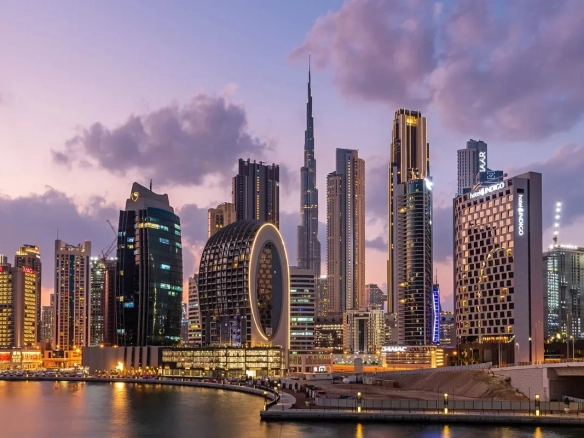
Areas like Business Bay, Dubai Marina, and JVC still attract strong tenant interest from professionals and families due to connectivity and amenities, resulting in consistent occupancy and solid net returns.
Established Luxury Markets
Prime areas like Downtown Dubai, Palm Jumeirah, and Dubai Hills Estate are less about sky-high yields and more about stable rent, strong price support, and growth potential for long term investors.
Each type of area appeals to a different investor profile, but all remain part of a profitable landscape in 2026.
Smart Strategies for 2026 Buyers
Profitability does not automatically arise just by buying property. Successful investors in 2026 prioritise strategy, not emotion.
Here are some practical approaches:
Evaluate Net Yield Over Gross Rent
Think beyond headline rental rates to factor in service charges, maintenance, and vacancy periods. Net yield paints a clearer picture of real income.
Match Property to Tenant Profile
Know your target tenant. Professionals, families, and short-term renters each look for different features — and this influences both rental income and occupancy.
Use Data Over Hype
Ignore marketing claims and focus on market fundamentals. Location, infrastructure, and demographic trends matter far more than flashy branding.
Plan for Long Term
Dubai’s market now rewards patience. With steady rent growth and moderate price appreciation, buy-and-hold strategies tend to outperform speculative approaches.
Consider Property Management
Especially for overseas buyers, professional management ensures rents are collected, maintenance is handled, and compliance is maintained, protecting overall profitability.
Buying Property In Dubai: Risks Investors Should Know
A responsible assessment of profitability must include risks, and Dubai’s 2026 outlook is no exception:
Potential Price Stabilisation or Correction
Some analysts predict a possible price moderation, or even a modest correction in certain submarkets, as supply increases, especially where absorption slows.
Rental Growth May Moderate
After years of double-digit rental increases, growth is expected to normalise to more sustainable levels, possibly between 3% and 6% annually.
Short Term Rental Regulations
More stringent licensing and caps on holiday homes may impact yields in some areas, especially where short term income was previously a significant part of returns.
These factors do not negate profitability but reinforce why informed decision-making matters more than ever.
Final Verdict: Buying Property In Dubai In 2026 Can Still Be Profitable
So, is buying property in Dubai still profitable in 2026? Yes, but profitability today looks very different from the speculative boom years.
The market has matured into one driven by rental income, end-user demand, and sustainable growth rather than hype. Investors who focus on fundamentals, use data-driven decisions, and choose the right location and strategy are still finding strong returns. Dubai’s combination of high yields, economic resilience, population growth, and strategic positioning makes it one of the few global real estate markets where profitability remains realistic.
Whether you are looking for rental income, long term appreciation, or a blended strategy, Dubai still offers a compelling proposition provided you invest with clarity, discipline, and a long term perspective.


Join The Discussion