The UAE has firmly positioned itself as one of the world’s most attractive destinations for property investors. With strong economic growth, modern infrastructure, investor friendly regulations, and long term residency incentives, real estate investment in UAE continues to draw attention from local and international buyers alike.
However, one question comes up repeatedly among investors. Which emirate offers the best opportunities right now? Dubai, Abu Dhabi, and Ras Al Khaimah each have distinct property markets with different strengths, risk profiles, and return potential. Choosing the right one depends on your goals, budget, and investment horizon.
This guide offers a clear, realistic comparison of Dubai, Abu Dhabi, and Ras Al Khaimah real estate so you can decide which market truly wins for investors.
Understanding the UAE Property Landscape
Before comparing individual emirates, it is important to understand why real estate investment in UAE is so attractive in general.
The UAE offers a tax efficient environment with no income tax on rental earnings and no capital gains tax on property sales. Foreign investors can buy freehold property in designated areas with full ownership rights. Strong legal frameworks, transparent registration systems, and government backed regulators add confidence and security.
In addition, long term visas such as the Golden Visa have strengthened investor confidence by allowing property owners to secure residency through real estate investment.
Within this favorable national framework, each emirate has developed its own real estate identity.
Dubai Real Estate: The Global Investment Hub
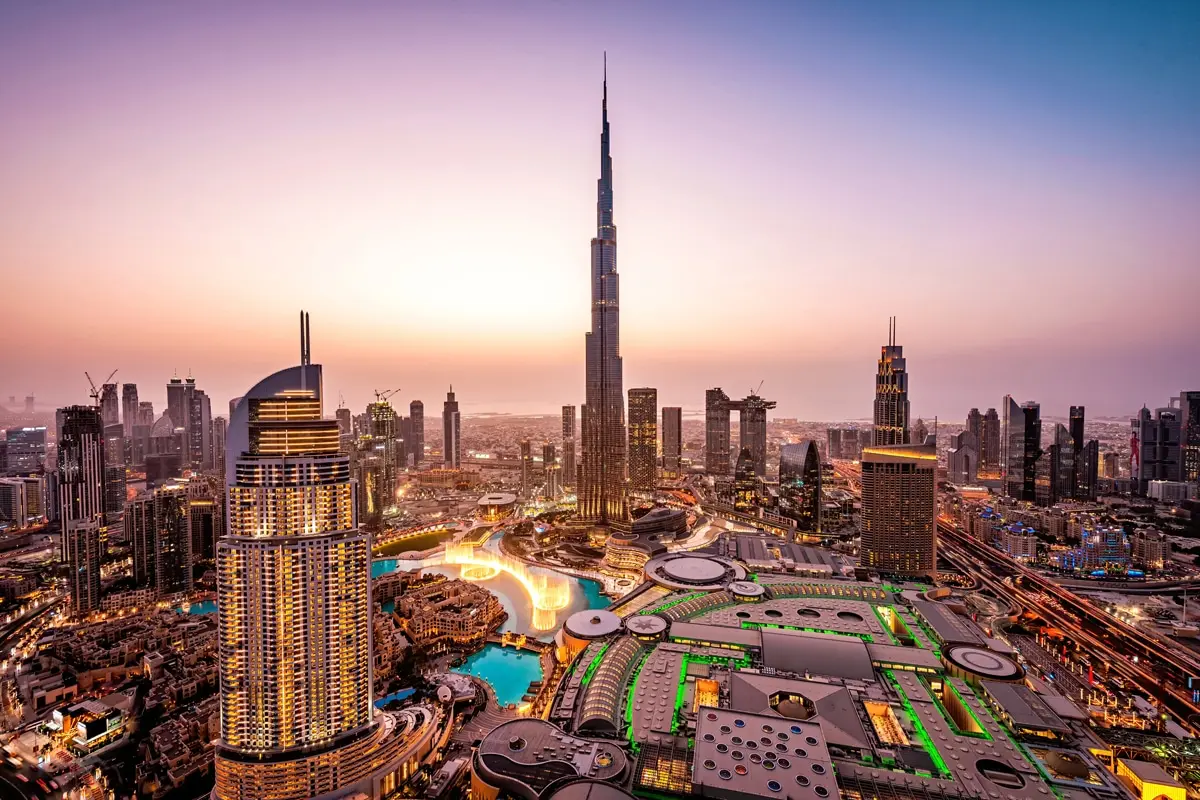
Dubai is the most internationally recognized property market in the UAE. It attracts investors from Europe, Asia, Africa, and the Middle East due to its lifestyle appeal, high rental demand, and strong resale liquidity.
Market Maturity and Demand
Dubai’s real estate market is mature, dynamic, and highly liquid. Rental demand remains strong due to a large expatriate population, continuous job creation, and a thriving tourism sector. Properties in well established communities are rarely vacant for long.
Dubai also benefits from constant infrastructure expansion, new master planned communities, and world class amenities that support long term demand.
Rental Yields and Returns
Dubai is known for delivering some of the highest rental yields among global cities. Apartments in mid range communities often generate solid rental returns, while villas in family oriented areas attract long term tenants.
Short term rentals have also become a major income stream in tourist driven locations, although they require professional management.
Investor Profile Best Suited for Dubai
Dubai suits investors who value liquidity, consistent rental income, and a wide range of property options. It is ideal for both first time buyers and seasoned investors who want flexibility and exit options.
However, entry prices in prime locations can be higher compared to other emirates, which may limit affordability for some investors.
Abu Dhabi Real Estate: Stability and Long Term Security
Abu Dhabi offers a different proposition within real estate investment in UAE. It is the political and administrative capital, known for stability, long term planning, and strong government backing.
Market Structure and Demand
Abu Dhabi’s real estate market is more conservative and less speculative than Dubai. Demand is driven primarily by government employees, corporate tenants, and long term residents rather than tourism.
The pace of development is controlled, which helps prevent oversupply and supports price stability.
Rental Performance and Tenant Quality
Rental yields in Abu Dhabi are generally stable rather than aggressive. Tenants tend to stay longer, which reduces vacancy and turnover costs. This makes Abu Dhabi appealing for investors who prioritize predictable income over rapid growth.
Luxury developments and waterfront communities in Abu Dhabi have gained attention, but overall the market remains focused on long term value.
Investor Profile Best Suited for Abu Dhabi
Abu Dhabi is ideal for conservative investors seeking stability, lower volatility, and steady returns. It appeals to those who prefer lower risk and long term holding strategies rather than fast capital appreciation.
Ras Al Khaimah Real Estate: The Emerging Opportunity
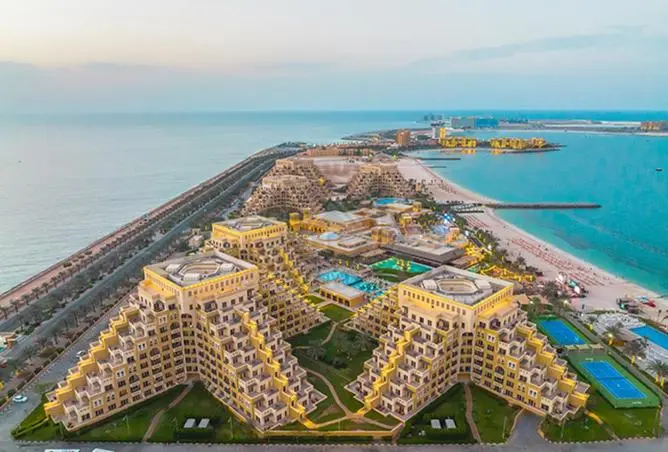
Ras Al Khaimah is quickly emerging as a new contender within real estate investment in UAE. Once considered a niche market, it is now gaining serious attention from investors looking for early entry opportunities.
Growth Potential and Market Evolution
Ras Al Khaimah is undergoing rapid transformation. Government backed tourism projects, luxury resorts, and infrastructure investments are reshaping the emirate’s real estate landscape.
With major hospitality brands entering the market and a growing focus on sustainable tourism, demand is expected to increase steadily over the coming years.
Pricing and Entry Advantage
One of Ras Al Khaimah’s biggest advantages is affordability. Property prices are significantly lower than Dubai and Abu Dhabi, allowing investors to enter the market with smaller budgets.
This lower entry point creates room for future capital appreciation as the emirate continues to develop.
Investor Profile Best Suited for Ras Al Khaimah
Ras Al Khaimah suits investors who are comfortable with emerging markets and have a medium to long term investment horizon. It is particularly attractive for those seeking early mover advantage and future growth rather than immediate high rental income.
Comparing Capital Appreciation Across the Three Markets
When comparing capital appreciation, each emirate offers different strengths.
Dubai provides consistent appreciation driven by demand, global interest, and ongoing development. Price cycles exist, but long term growth remains strong.
Abu Dhabi focuses on preservation of value rather than rapid price increases. Appreciation is slower but steadier.
Ras Al Khaimah offers the highest growth potential percentage wise, but with higher uncertainty compared to the more established markets.
Rental Income Comparison
Rental income is a major driver of real estate investment in UAE.
Dubai generally offers the highest rental yields due to demand from expatriates and tourists. Abu Dhabi offers stable yields with longer lease durations. Ras Al Khaimah is still developing its rental ecosystem, with returns improving as tourism and population grow.
Investors must align rental expectations with their risk tolerance and time horizon.
Liquidity and Exit Strategy
Liquidity is an often overlooked but critical factor.
Dubai has the highest liquidity, making it easier to sell properties quickly when needed. Abu Dhabi follows with moderate liquidity. Ras Al Khaimah currently has lower liquidity, which means exits may take longer but could be more rewarding in the future.
Regulatory Environment and Investor Confidence
All three emirates operate under UAE federal property laws, but local regulations and market maturity differ.
Dubai offers the most streamlined investor experience with advanced digital systems and global exposure. Abu Dhabi emphasizes regulatory stability and government backed planning. Ras Al Khaimah is rapidly improving its investor framework as it attracts more international interest.
Which Market Wins for Real Estate Investment in UAE?
Dubai wins for rental income and liquidity.
Dubai offers the strongest rental demand in the UAE, driven by its expatriate population, tourism sector, and diverse job market. Properties are easier to rent, resale is faster, and investors benefit from flexible exit options. For those focused on cash flow and market activity, Dubai remains the most reliable choice.
Abu Dhabi wins for stability and long-term security.
Abu Dhabi’s market is more controlled and less volatile. Tenant turnover is lower, leases are longer, and price movements are steadier. Investors who prioritize capital preservation, predictable returns, and reduced risk often find Abu Dhabi better suited to their strategy.
Ras Al Khaimah wins for growth potential and affordability.
Ras Al Khaimah attracts investors looking for early entry opportunities. With lower property prices and growing tourism-led development, it offers room for future appreciation. While returns may take time, long-term investors seeking value growth often see Ras Al Khaimah as the next emerging market.
Final Thoughts
Real estate investment in UAE offers unmatched opportunities when approached strategically. Dubai, Abu Dhabi, and Ras Al Khaimah each serve different investor needs, and understanding these differences is key to success.
By aligning your investment goals with the right market, you can maximize returns, manage risk, and build a strong property portfolio in the UAE. Whether you seek income, stability, or growth, the UAE offers a market that fits your vision.




Join The Discussion