
Dubai continues to attract real estate investors from across the globe, and for one very good reason: strong rental income. Compared to major cities like London, New York, or Singapore, Dubai consistently delivers higher rental returns with fewer tax burdens and a growing tenant base.
As we move toward 2026, many investors are asking a critical question. How much rental income can you realistically earn, and what does the actual rental yield in Dubai look like today? This guide breaks down the reality of returns, the best-performing areas, and what truly affects profitability.
What Rental Yield Really Means in Dubai
Rental yield is the percentage of income a property generates annually compared to its purchase price. In Dubai, this metric remains one of the strongest globally due to a unique balance of pricing, population growth, and rental demand.
Unlike many international cities where yields average three to four percent, Dubai frequently delivers six to ten percent returns. In some strategic locations, yields can even go higher when managed correctly.
That said, not every property performs the same. Understanding the mechanics behind rental yield in Dubai is what separates strong investors from average ones.
Why Dubai’s Rental Market Remains Resilient
Dubai’s rental income stability is not accidental. Several core factors support the market year after year.
First, population growth remains consistent. Dubai attracts professionals, entrepreneurs, and families who prefer renting for flexibility. Second, long-term residency programs such as the Golden Visa have reduced tenant turnover, leading to longer lease durations. Third, the absence of income tax on rental earnings significantly improves net returns. Finally, strong regulatory frameworks protect both landlords and tenants, creating trust and consistency.
These fundamentals continue to push rental demand upward, even during global economic uncertainty.
Average Rental Yield by Property Type
Different property types generate different levels of income, and investors should choose based on their financial goals.
Apartments generally provide the highest rental yield in Dubai due to affordability and strong demand. Studio and one-bedroom units are particularly popular among professionals and deliver some of the strongest cash flow returns.
Villas and townhouses typically generate lower rental yield but offer more stability. They attract families who stay longer, reducing vacancy risk. Investors targeting long-term appreciation often prefer villas, while those focused on income lean toward apartments.
Areas Offering the Best Rental Yield in Dubai
Location plays a crucial role in determining returns. Some communities consistently outperform others because they balance affordability with lifestyle and accessibility.
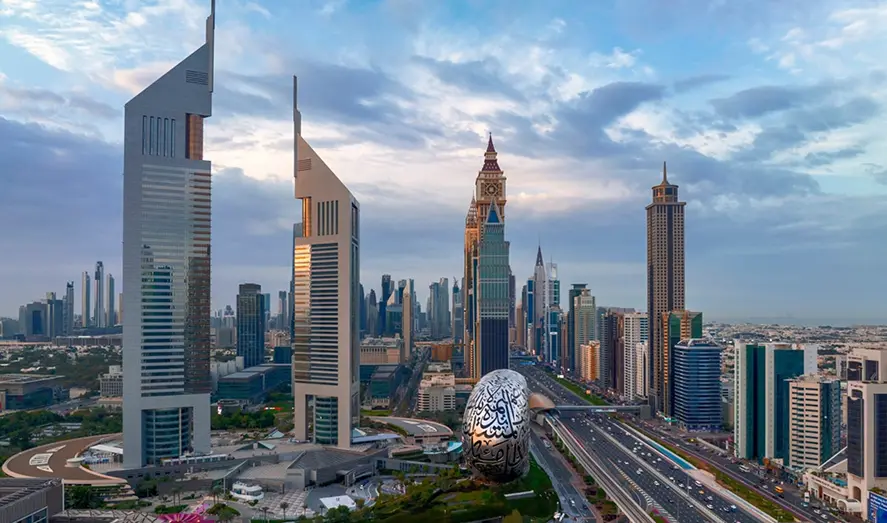
High-yield areas commonly include:
• Jumeirah Village Circle due to competitive pricing and strong tenant demand
• Dubai Silicon Oasis because of business and educational proximity
• International City for budget-focused rentals and lower entry prices
Premium areas such as Dubai Hills Estate, Downtown Dubai, and Business Bay offer slightly lower yields but benefit from strong tenant stability and long-term value growth.
Long-Term Rentals vs Short-Term Rentals
Dubai offers flexibility for investors who want to explore different rental models.
Long-term rentals remain the most reliable option for steady income. They provide predictable cash flow, fewer operational challenges, and lower management involvement.
Short-term rentals can produce higher monthly returns in tourist-heavy locations. However, they require more active management, furnishing costs, licensing, and seasonal pricing strategies. For many investors, short-term leasing works best when combined with professional management and prime locations.
Choosing the right approach depends on budget, involvement level, and long-term goals.
What Will Impact Rental Yield in Dubai in 2026
Looking ahead, several trends suggest rental yield in Dubai will remain strong through 2026.
Key drivers include:
• continued population growth
• expanding business and employment sectors
• infrastructure development and metro expansion
• international capital inflows
• stable government real estate policies
While new supply is entering the market, demand continues to absorb it, particularly in well-located communities.
Understanding Net Rental Income
Gross rental income does not tell the whole story. Net returns depend on realistic expense planning.
Common costs include service charges, maintenance, property management, and occasional vacancy periods. While these expenses are manageable, ignoring them can distort return expectations.
Smart investors budget conservatively and focus on net rental yield in Dubai rather than headline figures alone.
Who Should Invest for Rental Income in Dubai
Dubai is well suited for multiple investor profiles.
First-time buyers benefit from relatively low entry prices and professional support services. International investors value the legal clarity and income potential. Portfolio investors use Dubai to balance lower-yield global markets. End users often rent properties initially before moving in or selling later.
The flexibility of Dubai’s market allows investors to adapt strategies as conditions change.
The Importance of Professional Property Management
One of the most overlooked elements in maximizing rental yield in Dubai is property management. Well-managed properties outperform unmanaged ones through better tenant retention, faster leasing, and smoother operations.
Professional property managers handle marketing, tenant screening, rent collection, and maintenance coordination. This not only protects the asset but often increases overall returns.
For overseas investors especially, professional management turns real estate into a truly passive income stream.
Rental Income Plus Capital Growth
Dubai offers something many markets do not: the combination of rental income and capital appreciation. While earning consistent cash flow, investors often benefit from rising property values, particularly in emerging and master-planned communities.
Infrastructure projects, waterfront developments, and lifestyle-focused communities continue to create appreciation opportunities alongside rental demand.
Final Thoughts
So, how much rental income can you really make in Dubai? When chosen wisely, rental yield in Dubai remains among the most attractive globally heading into 2026. Success depends on property selection, location, realistic budgeting, and professional management.
Dubai rewards investors who take a long-term, informed approach. With the right strategy, rental income here can provide stability, growth, and strong financial performance.

Join The Discussion